


Hey there! As a hair growth supplier, I've seen and heard it all when it comes to factors that affect hair growth. One question that keeps popping up is, "Can certain medications affect hair growth?" Well, let's dive right into this topic and find out.
First off, it's important to understand that our hair goes through a natural growth cycle. There are three main phases: the anagen (growth) phase, the catagen (transition) phase, and the telogen (resting) phase. On average, about 85 - 90% of our hair is in the anagen phase at any given time. Anything that disrupts this cycle can lead to changes in hair growth.
Now, let's talk about medications. There are several types of drugs that can have an impact on our hair. One of the most well - known groups is chemotherapy drugs. These medications are designed to kill rapidly dividing cells, which includes cancer cells. But unfortunately, hair follicle cells also divide rapidly. So, chemotherapy often results in significant hair loss. The hair usually starts to fall out within a few weeks of starting treatment, and it can be quite distressing for patients.
Another group of medications that can affect hair growth is antidepressants. Drugs like selective serotonin reuptake inhibitors (SSRIs) are commonly prescribed for depression and anxiety. Some people taking SSRIs report hair loss as a side effect. The exact mechanism isn't fully understood, but it's thought that these drugs might disrupt the normal hormonal balance in the body, which in turn affects the hair growth cycle.
Blood thinners, such as warfarin, can also cause hair problems. These medications work by preventing blood clots, but they can sometimes interfere with the normal blood supply to the hair follicles. Without an adequate blood supply, the hair follicles may not receive enough nutrients, leading to slower hair growth or even hair loss.
Hormonal medications are another category to watch out for. Birth control pills, for example, contain synthetic hormones that can affect the body's natural hormonal balance. In some cases, women may experience hair thinning or shedding when they start or stop taking birth control pills. Similarly, medications used to treat conditions like polycystic ovary syndrome (PCOS) can also have an impact on hair growth because they target hormonal imbalances.
On the flip side, there are also medications that can promote hair growth. Minoxidil is a well - known over - the - counter medication that's used to treat male and female pattern baldness. It works by widening blood vessels in the scalp, which allows more oxygen, blood, and nutrients to reach the hair follicles. This can stimulate hair growth and slow down hair loss.
Finasteride is another prescription medication that's used to treat male pattern baldness. It works by blocking the conversion of testosterone to dihydrotestosterone (DHT), a hormone that's known to shrink hair follicles in men with genetic baldness. By reducing DHT levels, finasteride can help stop hair loss and even promote new hair growth in some cases.
As a hair growth supplier, I've seen firsthand how these medications can have a big impact on people's lives. That's why we offer a range of products that can complement the effects of these medications or help counteract the negative side effects. For example, we have hair growth supplements that are packed with vitamins, minerals, and herbs that are known to support healthy hair growth.

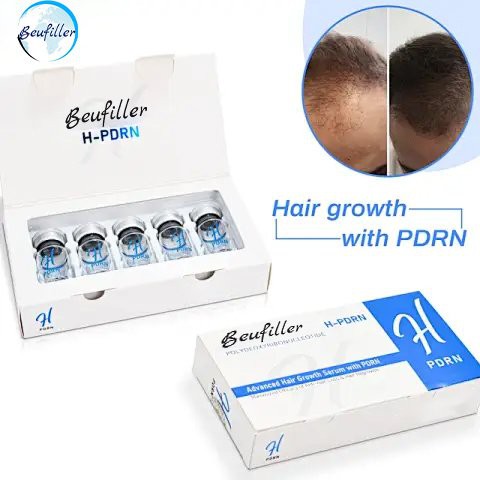
One of our popular solutions is Hair Growth Mesotherapy. This treatment involves injecting a cocktail of nutrients, vitamins, and medications directly into the scalp. It can help improve blood circulation in the scalp, nourish the hair follicles, and stimulate hair growth. Many of our customers have reported great results after undergoing hair growth mesotherapy.
If you're currently taking medications and are concerned about their impact on your hair growth, it's always a good idea to talk to your doctor. They can provide you with more information about the specific side effects of your medications and may be able to adjust your treatment plan if necessary.
In addition to medical advice, there are also some lifestyle changes you can make to support healthy hair growth. Eating a balanced diet rich in protein, vitamins, and minerals is crucial. Foods like eggs, nuts, leafy greens, and fish are all great for your hair. Regular exercise can also improve blood circulation, which is beneficial for the hair follicles. And don't forget to manage stress, as high levels of stress can also contribute to hair loss.
As a hair growth supplier, we're here to help you on your hair growth journey. Whether you're dealing with hair loss due to medications or just want to improve the overall health of your hair, we have the products and solutions you need.
If you're interested in learning more about our hair growth products or want to discuss your specific needs, we'd love to hear from you. Just reach out to us, and we'll be happy to have a chat with you and see how we can assist you in achieving your hair goals.
In conclusion, certain medications can definitely affect hair growth, either positively or negatively. It's important to be aware of these potential side effects and take steps to manage them. With the right approach, you can keep your hair looking healthy and vibrant.
References
- "Dermatology: Clinical and Basic Science" by Jean L. Bolognia, Joseph L. Jorizzo, et al.
- "The Hair Book: An Insider's Guide to the Biology, Beauty, and Culture of Hair" by Victoria Sherrow.
- Medical journals such as the Journal of Investigative Dermatology and the British Journal of Dermatology for research on hair growth and medications.


