


As a supplier of PLLA fillers, I often receive various inquiries from customers, and one question that frequently comes up is whether it's safe to take antibiotics after getting a PLLA filler. This is a crucial topic that deserves in - depth exploration, as both PLLA fillers and antibiotics play significant roles in the field of aesthetics and medicine.
Understanding PLLA Fillers
PLLA, or poly - L - lactic acid, is a synthetic, biodegradable polymer that has gained popularity in the cosmetic industry. It works by stimulating the body's natural collagen production. When injected into the skin, PLLA particles gradually break down, and over time, they trigger a fibroblastic response, leading to the synthesis of new collagen fibers. This results in a gradual improvement in skin volume, texture, and the reduction of wrinkles and fine lines.
The use of PLLA fillers offers several advantages. Unlike some other fillers that provide immediate but short - term results, PLLA fillers offer long - lasting effects that can last up to two years or more. They also have a relatively low risk of allergic reactions since PLLA is a biocompatible material.
The Role of Antibiotics
Antibiotics are medications used to treat or prevent bacterial infections. They work by either killing bacteria (bactericidal) or inhibiting their growth (bacteriostatic). In the context of cosmetic procedures, antibiotics may be prescribed for several reasons. For example, they can be used prophylactically to prevent post - injection infections, especially in cases where there is a higher risk of contamination during the procedure. They may also be used to treat existing infections that occur after the injection.
Potential Interactions between PLLA Fillers and Antibiotics
Physiological Interactions
When it comes to the physiological interactions between PLLA fillers and antibiotics, there is currently limited scientific literature available. However, we can make some educated inferences based on the known mechanisms of action of both substances.
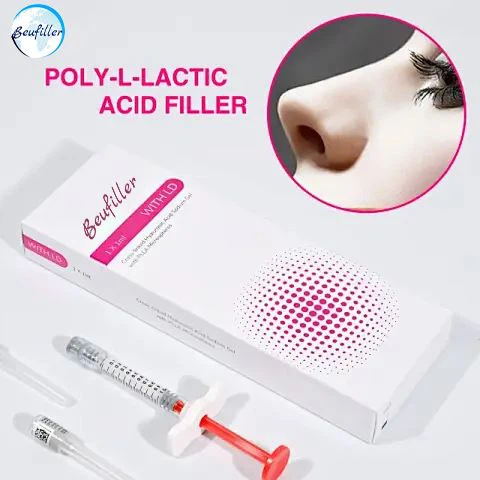

PLLA fillers rely on the body's natural inflammatory and fibroblastic responses to stimulate collagen production. Antibiotics, on the other hand, can modulate the immune system and inflammation. Some antibiotics may have anti - inflammatory properties, which could potentially interfere with the normal inflammatory cascade that is essential for the proper integration and function of the PLLA filler. For example, macrolide antibiotics are known to have immunomodulatory effects. If these antibiotics are taken shortly after a PLLA filler injection, they might dampen the initial inflammatory response that is necessary for collagen synthesis, potentially affecting the long - term results of the filler.
Chemical Interactions
There is also a possibility of chemical interactions between PLLA and antibiotics. Although PLLA is a stable polymer, certain antibiotics may have chemical properties that could potentially affect its degradation rate or stability. For instance, some antibiotics may alter the pH of the surrounding tissue, which could in turn influence the hydrolysis process of PLLA. However, more research is needed to fully understand these potential chemical interactions.
Safety Considerations
Timing of Antibiotic Use
The timing of antibiotic use is a critical factor. If antibiotics are needed for a pre - existing infection or for prophylactic purposes, it is generally recommended to wait until the PLLA filler has been properly integrated into the tissue. This usually takes a few weeks. Injecting a PLLA filler and then immediately starting a course of antibiotics may disrupt the normal healing process.
Type of Antibiotics
Not all antibiotics are created equal when it comes to their potential interactions with PLLA fillers. Some antibiotics, such as penicillins and cephalosporins, are less likely to have significant immunomodulatory effects compared to macrolides or tetracyclines. Therefore, if antibiotics are necessary, these types may be preferred to minimize the risk of interfering with the PLLA filler's function.
Patient - Specific Factors
Patient - specific factors also play a role in determining the safety of taking antibiotics after a PLLA filler. For example, patients with a history of allergic reactions to either PLLA or antibiotics need to be carefully evaluated. Additionally, patients with underlying medical conditions that affect the immune system, such as diabetes or autoimmune diseases, may be at a higher risk of complications when combining PLLA fillers and antibiotics.
Recommendations for Patients
Consultation with a Professional
Before taking any antibiotics after getting a PLLA filler, patients should always consult with a qualified healthcare professional. This could be a dermatologist, plastic surgeon, or the injector who administered the filler. These professionals can assess the patient's individual situation, including the type of filler used, the time since injection, and the reason for antibiotic use.
Follow - up and Monitoring
Patients should also be closely monitored during and after the antibiotic treatment. This includes regular follow - up appointments to check for any signs of adverse reactions, such as changes in the appearance of the filler area, pain, or swelling. If any concerns arise, the healthcare provider can adjust the treatment plan accordingly.
As a PLLA Filler Supplier
As a supplier of Plla Hyaluronic Acid Filler, we are committed to providing our customers with the highest quality products and the most accurate information. We understand the importance of ensuring the safety and effectiveness of our PLLA fillers. That's why we encourage healthcare professionals and patients to have open and informed discussions about the use of antibiotics after filler injections.
We also work closely with researchers and medical experts to stay updated on the latest scientific findings regarding PLLA fillers and their potential interactions with other medications. By doing so, we can better support our customers in making informed decisions.
Encouraging Contact for Purchase and Collaboration
If you are interested in our PLLA fillers or have any questions regarding their use, we invite you to reach out to us. Our team of experts is ready to provide you with detailed product information, technical support, and guidance on the best practices for using our fillers. Whether you are a medical professional looking to expand your cosmetic treatment options or a distributor seeking high - quality PLLA fillers, we are here to assist you. Let's start a conversation and explore the possibilities of working together to meet your needs in the field of aesthetics.
References
- Carruthers JD, Fagien S, Narins RS, et al. Poly - L - lactic acid: a comprehensive review of its use in aesthetic facial rejuvenation. Plast Reconstr Surg. 2009;124(2 Suppl):52S - 69S.
- Levy LL, Emer JJ. Poly - L - lactic acid for facial rejuvenation: a review of the literature. Dermatol Surg. 2013;39(2 Pt 2):322 - 336.
- Cunha BA. Antibiotic - associated immunomodulation. Infect Dis Clin North Am. 2009;23(1):1 - 19.


