


Hey there! As a supplier of PLLA filler, I often get asked a bunch of questions. One that pops up quite a bit is, "Can pregnant women use PLLA filler?" It's a super important topic, and I'm here to break it down for you.
First off, let's talk a bit about what PLLA filler is. PLLA stands for poly-L-lactic acid. It's a biodegradable synthetic polymer that's been used in the medical field for ages, mainly in things like dissolvable stitches. In the world of aesthetics, it's used as a filler to stimulate collagen production in the skin. When injected, it gradually breaks down and helps your body create more collagen, which in turn can reduce the appearance of wrinkles and give your skin a more youthful look. You can learn more about Plla Hyaluronic Acid Filler.
Now, when it comes to pregnant women, the situation gets a bit tricky. Pregnancy is a time when a woman's body goes through all sorts of changes. Hormones are all over the place, and there are a lot of physiological shifts happening. The safety of using any kind of filler during pregnancy hasn't been well - studied.
One of the main concerns is the potential for the filler to cause an immune response. During pregnancy, a woman's immune system is slightly suppressed to prevent the body from rejecting the fetus. If a PLLA filler were to trigger an immune reaction, it could potentially have unforeseen consequences for both the mother and the baby.
Another thing to think about is the fact that the body's metabolism changes during pregnancy. The way the body breaks down and processes the PLLA filler might be different. There's a chance that the filler could break down at a different rate than normal, leading to uneven results or other complications.
There's also the issue of the injection process itself. Getting an injection can be a bit stressful on the body, and stress during pregnancy isn't ideal. Even though the injection of PLLA filler is usually a relatively minor procedure, it still involves puncturing the skin and introducing a foreign substance into the body.
Most medical professionals and experts in the field recommend that pregnant women avoid using PLLA filler. The American Society of Plastic Surgeons, for example, advises against elective cosmetic procedures during pregnancy. This is because there just isn't enough data to say for sure that it's completely safe.
But what about after pregnancy? Well, if you've just had a baby and are breastfeeding, the same concerns still apply. There's a risk that any substances in the filler could potentially be passed on to the baby through breast milk. So, it's generally recommended to wait until you're done breastfeeding before considering using PLLA filler.
Once you've finished breastfeeding and your body has had a chance to recover from pregnancy, then you might be a good candidate for PLLA filler. It can be a great way to address any signs of aging or volume loss that might have occurred during pregnancy.
Now, I know some of you might be thinking, "But I've heard of someone who used filler during pregnancy and everything was fine." It's true that anecdotal evidence exists, but that doesn't mean it's a safe practice. Just because one person had a positive outcome doesn't mean it will be the same for everyone. When it comes to the health of you and your baby, it's always better to err on the side of caution.
If you're not pregnant or breastfeeding and are interested in using PLLA filler, there are a few things to keep in mind. First, make sure you go to a qualified and experienced injector. They'll know how to properly administer the filler to get the best results and minimize the risk of complications.
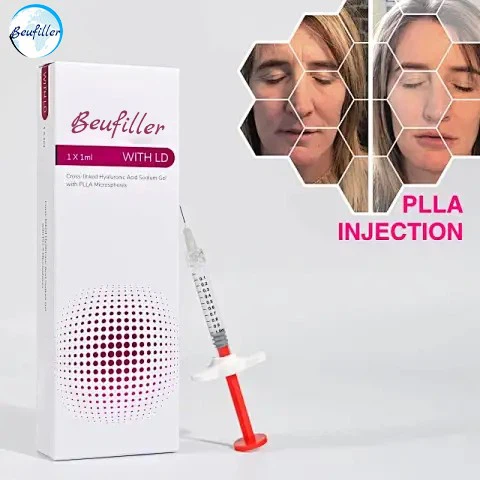

The results of PLLA filler aren't immediate. It takes a few weeks for the collagen production to kick in and for you to start seeing the full effects. You might need a series of treatments to achieve your desired look, and your injector will be able to create a personalized treatment plan for you.
As a supplier of PLLA filler, I'm committed to providing high - quality products. Our PLLA filler is made with the latest technology and meets all the necessary safety standards. We work closely with medical professionals to ensure that our products are used in a safe and effective manner.
If you're a medical professional or a clinic interested in purchasing our PLLA filler, we'd love to hear from you. We offer competitive pricing, excellent customer service, and fast shipping. Whether you're just starting out in the aesthetics business or you're a well - established clinic, we can provide you with the products you need to offer top - notch treatments to your patients.
If you have any questions about our PLLA filler or want to discuss a potential purchase, don't hesitate to reach out. We're here to help you make the best decisions for your practice and your patients.
In conclusion, while PLLA filler can be a great option for non - pregnant and non - breastfeeding individuals looking to enhance their appearance, it's not recommended for pregnant women. The potential risks simply outweigh the benefits at this time. But once you're past the pregnancy and breastfeeding stages, it could be a great addition to your beauty routine.
If you're interested in learning more about our PLLA filler products or have any questions about the purchasing process, feel free to get in touch. We're excited to work with you and help you provide the best possible treatments to your clients.
References:
- American Society of Plastic Surgeons. Recommendations on elective cosmetic procedures during pregnancy.
- Medical textbooks on pregnancy physiology and aesthetic medicine.


