


Hey there! I'm in the skin rejuvenation business, and I often get asked a super important question: Can skin rejuvenation treatments increase the risk of skin cancer? It's a topic that really hits close to home for a lot of people, and understandably so. After all, no one wants to trade a few wrinkles for a serious health issue. So, let's dive right in and explore this question together.
First off, let's talk about what skin rejuvenation treatments actually are. There are tons of them out there, from chemical peels and microdermabrasion to laser therapy and Skin Rejuvenation Mesotherapy. Each treatment has its own way of making your skin look younger and fresher. Chemical peels, for example, use acids to remove the top layers of skin, revealing smoother, more even - toned skin underneath. Microdermabrasion involves using tiny crystals to exfoliate the skin, while laser therapy uses focused light to target specific skin problems like scars or pigmentation.
Now, when it comes to the link between these treatments and skin cancer, it's not as straightforward as you might think. Let's start with the good news. Most skin rejuvenation treatments, when done correctly, are considered safe. The American Academy of Dermatology (AAD) has guidelines in place to ensure that these procedures are performed in a way that minimizes risks.
Take laser therapy, for instance. Lasers used in skin rejuvenation are carefully calibrated to target specific skin layers without causing excessive damage. The heat from the laser stimulates collagen production, which helps to reduce the appearance of fine lines and wrinkles. As long as the laser is used by a trained professional, the risk of developing skin cancer from this treatment is extremely low.

Chemical peels also have a low risk of causing skin cancer. The acids used in these peels are designed to penetrate the skin to a certain depth and then be removed. If the peel is not too strong and is applied by a qualified esthetician or dermatologist, it's generally a safe way to improve your skin's appearance.
But here's where things can get a bit tricky. Some treatments might increase your skin's sensitivity to the sun. After a chemical peel or laser treatment, your skin is more vulnerable to UV rays. And as we all know, excessive UV exposure is a major risk factor for skin cancer. So, if you don't take proper precautions like wearing sunscreen and avoiding direct sunlight, you could be putting yourself at a higher risk.
Another thing to consider is the use of certain ingredients in skin rejuvenation products. Some older formulations of skin creams and serums might have contained ingredients that were later found to be potentially carcinogenic. However, in today's market, most products are rigorously tested to ensure their safety. As a skin rejuvenation supplier, I always make sure that the products I offer meet the highest safety standards.
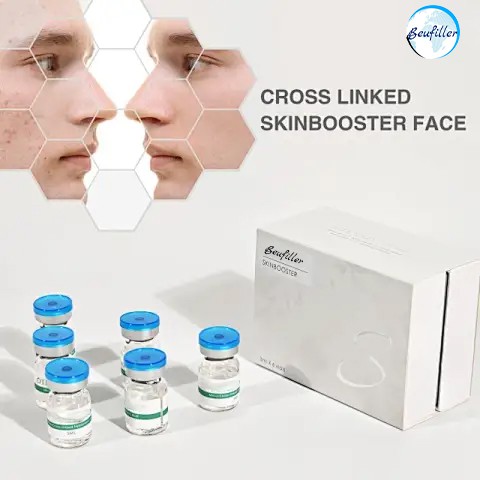
Now, let's talk about Skin Rejuvenation Mesotherapy. Mesotherapy involves injecting a cocktail of vitamins, minerals, and other nutrients directly into the skin. This treatment is supposed to improve skin texture, hydration, and overall appearance. The good news is that there's no direct evidence to suggest that mesotherapy increases the risk of skin cancer. However, as with any medical procedure, there are always some risks involved. For example, if the injection is not done properly, it could lead to infection or other complications.
So, what can you do to minimize the risk of skin cancer when getting skin rejuvenation treatments? First and foremost, choose a reputable provider. Make sure they are licensed and have plenty of experience in performing the treatment you're interested in. Ask them about their safety protocols and what steps they take to protect your skin.
Secondly, follow their after - care instructions to the letter. This usually includes avoiding the sun for a certain period of time, using gentle skincare products, and keeping your skin moisturized. And of course, always wear sunscreen with a high SPF, even on cloudy days.
As a skin rejuvenation supplier, I'm committed to providing safe and effective products. I work closely with dermatologists and researchers to ensure that everything I offer is backed by science. If you're considering a skin rejuvenation treatment, I encourage you to do your own research and have an open conversation with your provider.
In conclusion, while there is a small potential for increased skin cancer risk with some skin rejuvenation treatments, it's mostly due to improper after - care and sun exposure. When done correctly and with the right precautions, these treatments can be a great way to improve your skin's appearance without putting your health at risk.
If you're interested in learning more about our skin rejuvenation products or have any questions about how to safely incorporate these treatments into your skincare routine, I'd love to hear from you. Whether you're a skincare professional looking to add new products to your menu or an individual interested in improving your skin, we can work together to find the best solutions for you. Reach out, and let's start a conversation about how we can help you achieve your skin goals safely and effectively.
References:
American Academy of Dermatology. (n.d.). Skin rejuvenation treatments: What you need to know. Retrieved from the official AAD website.
Various peer - reviewed medical journals on dermatology and skin cancer research.


