


Hey there! If you're struggling with thin hair and constantly looking for ways to make it thicker and healthier, you've come to the right place. I'm a supplier in the hair growth industry, and I've seen firsthand the many methods people try to achieve luscious locks. In this blog, I'll share some of the best hair growth methods for thin hair that are not only scientifically backed but also practical and easy to incorporate into your daily routine.
Understanding the Causes of Thin Hair
Before we dive into the hair growth methods, it's important to understand why your hair might be thin in the first place. There are several factors that can contribute to thin hair, including:
- Genetics: If your parents or grandparents have thin hair, you're more likely to inherit the trait.
- Hormonal changes: Hormonal imbalances, such as those that occur during pregnancy, menopause, or thyroid disorders, can lead to hair loss and thinning.
- Nutritional deficiencies: A lack of essential vitamins and minerals, such as biotin, vitamin D, iron, and zinc, can affect hair growth.
- Stress: Chronic stress can disrupt the hair growth cycle and cause hair to fall out.
- Hairstyling practices: Excessive heat styling, tight hairstyles, and chemical treatments can damage the hair shaft and lead to breakage and thinning.
By identifying the underlying cause of your thin hair, you can choose the most effective hair growth methods for your specific needs.
Best Hair Growth Methods for Thin Hair
1. Balanced Diet
One of the most important factors in promoting hair growth is a balanced diet. Your hair needs a variety of nutrients to grow strong and healthy, so make sure you're eating plenty of fruits, vegetables, lean proteins, and whole grains. Here are some specific nutrients that are essential for hair growth:
- Biotin: Biotin is a B vitamin that plays a crucial role in hair growth. It helps to strengthen the hair shaft and prevent breakage. Good sources of biotin include eggs, nuts, seeds, and sweet potatoes.
- Vitamin D: Vitamin D is important for hair follicle cycling and can help to promote hair growth. You can get vitamin D from sunlight, as well as from foods such as fatty fish, egg yolks, and fortified dairy products.
- Iron: Iron is necessary for the production of hemoglobin, which carries oxygen to the hair follicles. A lack of iron can lead to hair loss and thinning. Good sources of iron include red meat, poultry, fish, beans, and spinach.
- Zinc: Zinc is involved in many enzymatic reactions in the body, including those that are necessary for hair growth. It helps to maintain the health of the hair follicles and can prevent hair loss. Good sources of zinc include oysters, beef, chicken, nuts, and seeds.
In addition to eating a balanced diet, you may also want to consider taking a hair growth supplement that contains these essential nutrients. Just make sure to talk to your doctor before starting any new supplement regimen.
2. Scalp Massage
Scalp massage is a simple and effective way to promote hair growth. It helps to increase blood circulation to the scalp, which can stimulate the hair follicles and promote hair growth. To do a scalp massage, simply use your fingertips to gently massage your scalp in circular motions for a few minutes each day. You can do this while you're shampooing your hair, or you can use a scalp massage tool to make the process easier.
3. Hair Growth Products
There are many hair growth products available on the market, including shampoos, conditioners, serums, and supplements. When choosing a hair growth product, look for one that contains ingredients that are known to promote hair growth, such as minoxidil, biotin, caffeine, and ketoconazole.
- Minoxidil: Minoxidil is a topical medication that is FDA-approved for the treatment of hair loss. It works by increasing blood flow to the hair follicles and stimulating hair growth. Minoxidil is available over-the-counter in various strengths, and it typically takes several months of use to see results.
- Biotin: Biotin is a B vitamin that is often included in hair growth products. It helps to strengthen the hair shaft and prevent breakage. Biotin supplements are also available, but it's important to talk to your doctor before taking them, as high doses of biotin can interfere with certain lab tests.
- Caffeine: Caffeine has been shown to stimulate hair growth by increasing blood flow to the scalp and blocking the effects of a hormone called dihydrotestosterone (DHT), which can cause hair loss. Caffeine-infused shampoos and serums are available on the market, and they can be a great addition to your hair care routine.
- Ketoconazole: Ketoconazole is an antifungal medication that is sometimes used to treat dandruff and other scalp conditions. It has also been shown to have hair growth-promoting effects by blocking the production of DHT. Ketoconazole shampoos are available over-the-counter and by prescription.
4. Hair Growth Mesotherapy
Hair Growth Mesotherapy is a non-invasive treatment that involves injecting a combination of vitamins, minerals, amino acids, and other nutrients directly into the scalp. This treatment helps to nourish the hair follicles and stimulate hair growth. Mesotherapy can be used to treat a variety of hair loss conditions, including androgenetic alopecia, telogen effluvium, and alopecia areata.
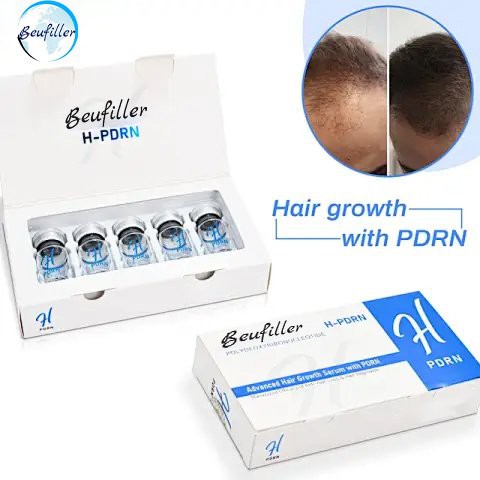
The treatment is typically performed by a trained professional, and it usually takes several sessions to see results. The number of sessions and the frequency of treatment will depend on the severity of your hair loss and your individual needs.

5. Lifestyle Changes
In addition to the above methods, making some lifestyle changes can also help to promote hair growth. Here are some tips:
- Reduce stress: Chronic stress can disrupt the hair growth cycle and cause hair to fall out. Find ways to manage stress, such as exercise, meditation, or yoga.
- Get enough sleep: Sleep is important for overall health, including hair health. Aim to get 7-8 hours of sleep per night to allow your body to repair and regenerate.
- Avoid harsh hairstyling practices: Excessive heat styling, tight hairstyles, and chemical treatments can damage the hair shaft and lead to breakage and thinning. Try to use heat protectant products when styling your hair, and avoid pulling your hair too tightly.
- Protect your hair from the sun: The sun's UV rays can damage the hair shaft and cause it to become dry and brittle. Wear a hat or use a hair product with UV protection when you're outside.
Conclusion
If you're struggling with thin hair, there are many effective hair growth methods that you can try. By eating a balanced diet, getting enough sleep, reducing stress, and using the right hair growth products, you can promote hair growth and achieve thicker, healthier hair. And if you're looking for a more advanced solution, Hair Growth Mesotherapy may be a good option for you.
As a hair growth supplier, I'm here to help you find the best products and treatments for your hair. If you have any questions or would like to learn more about our products, please don't hesitate to contact me. We can discuss your specific needs and goals, and I'll be happy to provide you with more information and guidance. Let's work together to get you the beautiful, thick hair you've always wanted!
References
- "The Role of Nutrition in Hair Loss and Growth." Journal of Cosmetic Dermatology, 2019.
- "Scalp Massage and Hair Growth: A Systematic Review." International Journal of Trichology, 2020.
- "Minoxidil for Androgenetic Alopecia." American Family Physician, 2018.
- "Biotin and Hair Health: A Review." Journal of the American Academy of Dermatology, 2017.
- "Caffeine and Hair Growth: A Review of the Evidence." International Journal of Trichology, 2019.
- "Ketoconazole Shampoo for Androgenetic Alopecia: A Systematic Review and Meta-analysis." Journal of the European Academy of Dermatology and Venereology, 2021.


