


When it comes to skincare, two terms that often surface in conversations and product marketing are "skin rejuvenation" and "anti-aging creams." As a skin rejuvenation solution provider, I've witnessed the confusion among consumers regarding these concepts. In this blog, I'll delve into the differences between skin rejuvenation and anti-aging creams, helping you make informed decisions about your skincare routine.
Understanding Anti - Aging Creams
Anti-aging creams are a staple in the skincare industry. These products are formulated with the primary goal of reducing the visible signs of aging on the skin. They typically contain ingredients such as retinol, hyaluronic acid, antioxidants (like vitamin C and vitamin E), and peptides.
Retinol, a derivative of vitamin A, is well - known for its ability to stimulate collagen production. Collagen is a protein that gives our skin its structure and elasticity. As we age, collagen production naturally decreases, leading to the formation of wrinkles and fine lines. By boosting collagen synthesis, retinol helps to smooth out these imperfections, making the skin look firmer and more youthful.
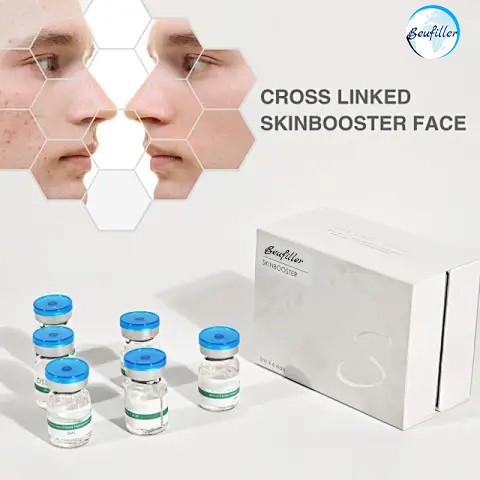

Hyaluronic acid is another key ingredient in anti - aging creams. It has an incredible capacity to hold water, up to 1000 times its weight. When applied to the skin, it hydrates the skin cells, plumps up the skin, and reduces the appearance of dryness and fine lines.
Antioxidants like vitamin C and E play a crucial role in protecting the skin from free radicals. Free radicals are unstable molecules that can damage skin cells, accelerate the aging process, and contribute to the development of wrinkles, age spots, and other skin issues. By neutralizing free radicals, antioxidants help to maintain the skin's health and youthful appearance.
Peptides, on the other hand, are short chains of amino acids. They can signal the skin to produce more collagen and elastin, which are essential for maintaining the skin's firmness and elasticity. Some peptides can also help to relax facial muscles, reducing the appearance of dynamic wrinkles (those formed by facial expressions).
However, anti - aging creams have their limitations. They mainly work on the surface of the skin. While they can improve the appearance of fine lines, wrinkles, and dryness to some extent, they may not be able to address more deep - seated skin issues such as severe sagging, deep wrinkles, or significant loss of volume.
What is Skin Rejuvenation?
Skin rejuvenation is a broader concept that encompasses a variety of treatments and procedures aimed at improving the overall appearance and health of the skin. It goes beyond just reducing the signs of aging and can address a wide range of skin concerns, including acne scars, uneven skin tone, dullness, and sun damage.
One of the popular methods of skin rejuvenation is Skin Rejuvenation Mesotherapy. Mesotherapy involves injecting a cocktail of vitamins, minerals, amino acids, and other active ingredients directly into the mesoderm (the middle layer of the skin). This targeted delivery system allows the nutrients to reach the deeper layers of the skin, where they can have a more profound effect.
For example, in skin rejuvenation mesotherapy, ingredients like glutathione can be used to lighten the skin and reduce the appearance of dark spots. Growth factors can stimulate the regeneration of skin cells, improve skin texture, and enhance collagen production. This treatment can also help to improve blood circulation in the skin, giving it a healthy, radiant glow.
Another form of skin rejuvenation is laser therapy. Laser treatments can be used to resurface the skin, stimulate collagen production, and remove damaged skin cells. Different types of lasers are used depending on the specific skin concern. For instance, ablative lasers are more aggressive and are often used to treat deep wrinkles and severe acne scars, while non - ablative lasers are less invasive and are suitable for milder skin issues such as fine lines and uneven skin tone.
Chemical peels are also a common skin rejuvenation technique. A chemical solution is applied to the skin, which causes the top layer of skin to peel off. This reveals a new, smoother layer of skin underneath. Chemical peels can be classified into different types based on their strength, from superficial peels that only affect the outermost layer of the skin to deep peels that penetrate deeper into the dermis.
Microdermabrasion is a non - invasive skin rejuvenation procedure that uses a device to exfoliate the outer layer of the skin. It can improve the appearance of fine lines, acne scars, and uneven skin texture by removing dead skin cells and stimulating the growth of new skin cells.
Key Differences between Skin Rejuvenation and Anti - Aging Creams
- Depth of Action:
Anti - aging creams primarily act on the surface of the skin. They can hydrate the skin, reduce the appearance of fine lines, and protect against free radicals, but their effects are limited to the outermost layers. In contrast, skin rejuvenation treatments, such as mesotherapy, laser therapy, and chemical peels, can reach the deeper layers of the skin. This allows them to address more complex skin issues and produce more significant and long - lasting results. - Scope of Treatment:
Anti - aging creams are mainly focused on reducing the visible signs of aging, such as wrinkles, fine lines, and age spots. Skin rejuvenation, however, has a broader scope. It can treat a wide range of skin problems, including acne scars, uneven skin tone, dullness, and sun damage, in addition to aging - related issues. - Speed of Results:
The results of using anti - aging creams are usually gradual. It may take weeks or even months of consistent use to notice a significant improvement in the skin's appearance. Skin rejuvenation treatments, on the other hand, can produce more immediate results. For example, after a chemical peel or a laser treatment, you may notice a visible improvement in the skin's texture and tone within a few days. - Duration of Results:
The effects of anti - aging creams are often temporary. Once you stop using the cream, the skin may gradually return to its previous state. Skin rejuvenation treatments, especially those that stimulate collagen production and cell regeneration, can have more long - lasting results. However, multiple sessions may be required to achieve and maintain the desired outcome.
Why Choose Skin Rejuvenation?
As a skin rejuvenation solution provider, I believe that skin rejuvenation offers several advantages over relying solely on anti - aging creams. If you have deep wrinkles, severe acne scars, or significant skin damage, skin rejuvenation treatments can provide a more effective solution. They can target the root causes of these issues and produce more dramatic results.
Skin rejuvenation also allows for a more personalized approach to skincare. Different treatments can be combined or customized based on your specific skin type, concerns, and goals. For example, if you have both uneven skin tone and fine lines, a combination of laser therapy and skin rejuvenation mesotherapy may be recommended to address both issues simultaneously.
Moreover, skin rejuvenation treatments can improve the overall health of your skin. By stimulating cell regeneration and collagen production, they can enhance the skin's natural barrier function, making it more resistant to environmental damage and future signs of aging.
Contact for Skin Rejuvenation Solutions
If you're interested in exploring skin rejuvenation solutions and want to learn more about how they can benefit your skin, I encourage you to reach out. Our team of experts is dedicated to providing high - quality skin rejuvenation products and services tailored to your needs. Whether you're looking for a single treatment or a comprehensive skincare plan, we're here to help you achieve your skin goals.
References
- Bowe, W. P., & Shalita, A. R. (2007). Cosmeceuticals: What a dermatologist needs to know. Journal of the American Academy of Dermatology, 57(3), 413 - 421.
- Gold, M. H., Kaplan, B., & Biron, J. (2004). Laser and light - based treatments in combination with topical agents for photoaging. Dermatologic Surgery, 30(1), 386 - 394.
- Nouri, K., & Yosipovitch, G. (2006). Chemical peels. Dermatologic Clinics, 24(2), 233 - 242.


