This guide takes you through the full industrial HA fermentation workflow step by step. We explain how microorganisms synthesize natural hyaluronic acid, key control points in each production stage, and how the fermentation process affects the performance of finished HA dermal fillers. Whether you are a raw material buyer, aesthetic product manufacturer or wholesale distributor, you will gain professional insights into identifying high-quality HA from the perspective of production technology.
1. Overview of HA Fermentation Technology
Nowadays, microbial fermentation is the mainstream method for large-scale production of hyaluronic acid, replacing the traditional animal tissue extraction method. The HA fermentation process uses specific strains of microorganisms to produce hyaluronic acid through deep liquid fermentation. This technology features high yield, stable quality, low production cost and high product safety, which is widely adopted by professional HA manufacturers around the world.
Compared with extraction methods, fermented hyaluronic acid has no risk of cross-infection from animal sources. By adjusting fermentation parameters, producers can stably control the molecular weight of HA, to meet diverse demands for skincare, medical injection and other scenarios. Most
pharmaceutical-grade HA used for
injectable dermal fillers is manufactured via strict microbial fermentation lines in GMP-compliant workshops. Understanding how different filler formulations are developed can also help buyers evaluate finished products.
2. Complete Steps of the HA Fermentation Process
The whole HA fermentation process can be divided into six core stages: raw material pretreatment, strain cultivation, fermentation reaction, broth separation, purification and final drying & packaging. Every link has strict standards to guarantee HA purity and activity.

2.1 Raw Material Preparation & Culture Medium Deployment
High-quality raw materials are the foundation of qualified hyaluronic acid. Manufacturers select glucose, yeast extract, inorganic salts and other food-grade or medical-grade materials to prepare the culture medium, which provides nutrients for microbial growth and HA synthesis.
All raw materials will go through strict screening and sterilization to eliminate impurities and harmful bacteria. The formula of the culture medium is also adjusted according to the target molecular weight of HA, laying a foundation for the subsequent stable operation of the HA fermentation process.
2.2 Strain Activation and Seed Culture
Modern HA production typically relies on carefully selected microbial strains capable of synthesizing hyaluronic acid efficiently under controlled fermentation conditions. Before formal fermentation, the preserved original strains need to be activated first, then transferred to seed tanks for enlarged cultivation.
In this stage, temperature, pH value and dissolved oxygen are precisely controlled to make the microorganisms multiply rapidly and maintain strong activity. The well-cultured seed liquid is the key to ensuring high HA output and uniform product properties in the follow-up process.
2.3 Main Fermentation Reaction (Core Stage)
This is the most critical part of the entire HA fermentation process. The qualified seed liquid is injected into a large industrial fermentation tank, together with the sterilized culture medium. Under constant temperature, constant oxygen supply and real-time pH adjustment, microorganisms metabolize continuously and synthesize a large amount of hyaluronic acid inside the liquid.
The fermentation cycle usually lasts for dozens of hours. Professional technicians monitor the tank conditions 24 hours a day. By regulating fermentation parameters, manufacturers can precisely produce high molecular weight HA or low molecular weight HA to match different product formulas. For injectable dermal fillers, the fermentation environment will be optimized to obtain HA with better viscosity and biocompatibility.
2.4 Fermentation Broth Separation
After the fermentation reaction is completed, the liquid contains hyaluronic acid, residual bacteria and medium residues. The next step is solid-liquid separation.
Through high-speed centrifugation and filtration equipment, microbial thalli and insoluble impurities are completely removed from the fermentation broth. This step initially improves the purity of HA and avoids foreign matter affecting the safety of subsequent finished products.
2.5 Deep Purification
Preliminarily separated HA liquid still contains tiny impurities and macromolecular proteins. Deep purification is required to upgrade the product to
pharmaceutical-grade HA suitable for high-standard medical applications.
Manufacturers adopt multi-stage membrane filtration, alcohol precipitation and ion exchange technologies to further remove endotoxins, proteins and pigments. High-purity pharmaceutical-grade HA can be achieved through advanced purification technologies and strict quality control procedures, fully meeting the safety standards for medical injection. Purification requirements may vary depending on the intended application and regulatory requirements of the target market.
2.6 Drying, Milling and Finished Product Packaging
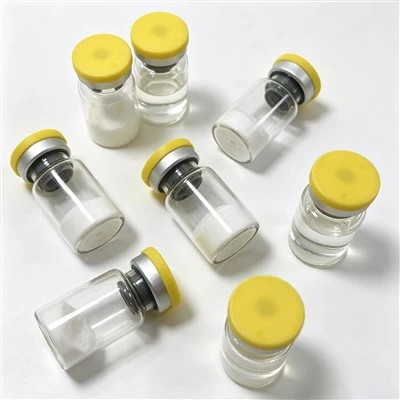
The purified HA solution is processed by vacuum freeze-drying to remove moisture and form solid HA powder. Then the powder is crushed and screened to get uniform finished hyaluronic acid raw materials.
All finished HA products are packaged in dust-free and sterile workshops. Before leaving the factory, each batch will be sampled and tested for molecular weight, purity and endotoxin content. Qualified HA raw materials will be supplied to factories for producing dermal fillers, serums and other aesthetic products.
3. Key Parameters Controlling the HA Fermentation Process
The quality of fermented hyaluronic acid is closely linked to process parameters. Three indicators play a decisive role in the HA fermentation process:
First is temperature. A stable temperature range ensures normal microbial metabolism. Too high or too low temperature will reduce HA yield and change molecular structure.
Second is dissolved oxygen content. The synthesis of HA requires sufficient oxygen. Insufficient oxygen will lead to slow production and unstable molecular weight.
Third is pH value. The whole fermentation and purification process must keep pH within a reasonable range, otherwise it will damage HA activity and reduce product stability.
Regular manufacturers will use automated systems to realize full-process parameter control, so that each batch of HA has consistent quality. This is also an important difference between high-end raw material factories and small workshops.
4. How Fermentation Affects HA End Products
The HA fermentation process directly determines the application performance of hyaluronic acid in downstream products.
For injectable
HA dermal fillers, HA produced by mature fermentation technology has uniform molecular chains and excellent viscosity. After cross-linking treatment, it can provide strong supporting force, long-lasting shaping effect and low swelling rate, which is favored by aesthetic clinics worldwide.
For topical skincare products, fermented low molecular weight HA has better skin penetration, while high molecular weight HA forms a comfortable protective film on the skin surface. Different molecular weight HA produced by targeted fermentation can meet diversified skincare needs.
In addition, HA with incomplete fermentation and insufficient purification often has excessive impurities and high endotoxin content. Such products are not suitable for injection use and can only be applied to low-end topical cosmetics.
5. Fermented HA: Advantages for Industrial Production
Nowadays, microbial-based HA fermentation process has become the mainstream production method in the industry, thanks to its obvious advantages:
High safety: Non-animal derived raw materials, effectively avoiding biological contamination risks.
Controllable molecular weight: Flexible adjustment to produce high, medium and low molecular weight HA as required.
High purity: Combined with multi-stage purification, it can stably produce pharmaceutical-grade HA.
Large-scale production: Suitable for mass production, stable supply and competitive price.
For brand owners and distributors who plan to customize OEM HA fillers, choosing suppliers with standardized fermentation production lines is the first step to guarantee product quality.
6. How to Evaluate an HA Manufacturer
Understanding the HA fermentation process is only one part of sourcing high-quality hyaluronic acid products. For distributors, brand owners, and manufacturers, evaluating the supplier behind the product is equally important. The following factors can help buyers identify reliable HA manufacturers and reduce procurement risks.

6.1 Manufacturing Standards and GMP Compliance
Reliable manufacturers operate under standardized production systems and implement strict quality management procedures to maintain batch-to-batch consistency. GMP-compliant facilities often indicate a higher level of manufacturing control.
6.2 Fermentation Technology and Process Control
Advanced fermentation technology enables manufacturers to achieve more consistent molecular characteristics and product performance. Automated control of key parameters may contribute to improved production stability.
6.3 Purification and Quality Testing
Buyers should understand how manufacturers verify product quality through analytical testing and release procedures. Comprehensive quality testing helps support consistency and safety.
6.4 Regulatory Documentation
Transparent suppliers are generally able to provide relevant technical documentation to support customer evaluation and regulatory requirements.
6.5 OEM and Customization Capability
For private-label projects, manufacturers with OEM capabilities can provide formulation support, packaging customization, and scalable production solutions tailored to market needs.
6.6 Supply Stability and Long-Term Partnership
Beyond product quality, stable supply capacity and reliable delivery schedules are essential considerations for distributors planning long-term business growth.
HA Manufacturer Evaluation Checklist
Before placing an order, consider asking the following questions:
✓ Does the manufacturer operate under recognized quality standards?
✓ How is the fermentation process controlled?
✓ What quality tests are performed before release?
✓ Can relevant technical documents be provided?
✓ Is OEM or private-label support available?
✓ Can the supplier maintain stable production and delivery?
Buyers seeking long-term partnerships may also benefit from reviewing available OEM capabilities and requesting product documentation before making procurement decisions.
Key Takeaways
Modern HA is primarily produced through microbial fermentation.
Fermentation parameters directly influence molecular weight and product performance.
Advanced purification is essential for high-purity pharmaceutical-grade HA.
Manufacturing standards and quality control play a critical role in product consistency.
Buyers should evaluate both production technology and regulatory compliance when selecting suppliers.
FAQ
What is the HA fermentation process?
The HA fermentation process uses selected microorganisms to synthesize hyaluronic acid under controlled conditions, followed by purification and drying steps.
Why is microbial fermentation preferred over animal extraction?
Microbial fermentation offers greater consistency, scalability, and reduced concerns related to animal-derived materials.
How does fermentation affect molecular weight?
Fermentation conditions influence microbial metabolism, which can impact the molecular characteristics of the resulting HA.
What is pharmaceutical-grade hyaluronic acid?
Pharmaceutical-grade HA typically undergoes more stringent quality control and purification procedures to meet applicable medical standards.
What should buyers look for in an HA supplier?
Manufacturing standards, quality control systems, regulatory documentation, supply stability, and OEM capabilities are all important factors.
Final Conclusion
The HA fermentation process is the source of high-quality hyaluronic acid products. From raw material mixing, strain cultivation to fermentation, purification and packaging, every procedure affects the purity, molecular weight and stability of the final HA raw material.
Understanding the basic production logic of fermented HA helps you distinguish between pharmaceutical-grade HA and cosmetic-grade HA, and make more professional decisions when sourcing HA raw materials or finished dermal fillers. Standardized fermentation technology and strict quality control are always the core guarantees for safe and effective aesthetic products.