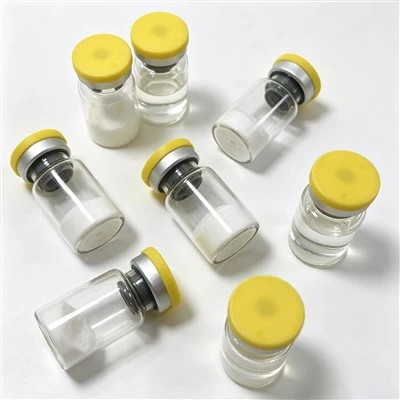
Protein removal in HA is an indispensable purification stage during microbial hyaluronic acid manufacturing. Crude HA broth from fermentation contains abundant microbial protein impurities that trigger inflammation, swelling and nodules after injection. This article breaks down mainstream purification technology for protein separation, standard operating workflows, quality testing standards, and the direct impact of thorough protein reduction on cosmetic-grade and pharmaceutical-grade hyaluronic acid raw materials. Raw material suppliers, dermal filler manufacturers and wholesale aesthetic product dealers will grasp core criteria to screen qualified hyaluronic acid via professional purification knowledge.
1. Why Strict Residual Protein Control Cannot Be Skipped in HA Production
Microbial fermentation remains the dominant mass-production method for modern hyaluronic acid. If you would like to understand how hyaluronic acid is synthesized before purification, you can explore our complete guide to the HA Fermentation Process.After completing the core HA fermentation process, the original fermentation broth mixes target hyaluronic acid with a large number of residual bacterial proteins, peptide fragments and intracellular macromolecular contaminants. This is why professional manufacturers set targeted protein purification as the most critical purification link post-fermentation.
Unremoved protein impurities mixed in crude HA will bring multiple hidden dangers for downstream injectable products. When unpurified hyaluronic acid is made into HA dermal fillers for body or facial injection, residual foreign proteins easily cause allergic reactions, persistent edema, subcutaneous hard lumps and inflammatory nodules in clinic clients. For medical-grade hyaluronic acid used in injectable aesthetic products and long-lasting cross-linked formulations, rigorous residual protein control directly determines the biocompatibility and clinical safety of finished products.
Cosmetic-grade hyaluronic acid for topical skincare allows slightly higher residual protein limits, while pharmaceutical-grade HA for injection requires nearly complete protein reduction. Understanding the difference between cosmetic-grade and medical-grade HA is also important when evaluating raw material quality and regulatory compliance.Without standardized purification process to isolate contaminants, fermented HA raw materials fail to meet ISO13485 and GMP production standards for medical devices, and cannot pass export customs clearance for global aesthetic markets.
2. Common Sources of Protein Impurities Before Purification Process
To master reliable protein purification workflows thoroughly, manufacturers first clarify all protein pollution sources inside fermentation broth:
Streptococcus bacterial thallus protein: Broken microbial cells after fermentation release massive intracellular protein macromolecules;
Culture medium protein residue: Undigested yeast extract, peptone and nitrogen sources from the fermentation medium;
Metabolic byproduct polypeptides: Small protein fragments generated during microbial HA synthesis metabolism.
These proteins have similar molecular weight ranges to low-molecular-weight hyaluronic acid, making simple filtration ineffective. Specialized purification technology is required to separate protein impurities without damaging HA molecular chains or reducing HA viscosity.
3. Mainstream Industrial Purification Technology for Protein Reduction

Three mature industrial solutions dominate protein separation procedures in standardized GMP factories, each with applicable scenarios for different purity grades of hyaluronic acid.
3.1 Alcohol Precipitation Combined with Centrifugation
This is the most widely adopted basic purification process for mid-end cosmetic-grade HA. After diluting crude HA fermentation liquid, ethanol or isopropanol is added to change solvent solubility. Hyaluronic acid precipitates into gel solids, while most soluble protein impurities stay dissolved in the alcohol-water mixture. Multiple rounds of precipitation and high-speed centrifugation separate precipitated HA gel from protein-containing waste liquid.
This technology features low equipment investment and simple operation, yet it cannot eliminate trace microproteins. It is only suitable for skincare raw material production, unable to meet strict residual protein control requirements for injectable hyaluronic acid injection.
3.2 Ion Exchange Chromatography (Core Tech for Medical-Grade HA)
Ion exchange chromatography stands as the gold-standard protein purification method for pharmaceutical-grade hyaluronic acid. Charged protein fragments and hyaluronic acid molecules carry different ion properties; after passing HA liquid through professional ion exchange resin columns, negatively charged HA adheres to the resin while positively charged protein impurities flow out with waste solvent.
Manufacturers repeatedly elute and regenerate resin columns to remove over 99% of total protein content. This purification technology preserves complete HA molecular structure, maintains stable viscosity and gel elasticity, and minimizes endotoxin residue. Molecular integrity directly affects viscosity, support capacity and final clinical performance of HA fillers.High-quality HA raw materials used for dermal fillers and other injectable aesthetic products commonly rely on ion exchange chromatography as a core purification technology.
3.3 Ultrafiltration Membrane Separation (Advanced Supplementary Purification)
Ultrafiltration membrane separation serves as advanced secondary treatment after primary protein reduction. Membranes with precise molecular weight cut-off intercept residual large protein particles while allowing intact hyaluronic acid molecules to pass through. Multi-stage gradient ultrafiltration removes tiny protein fragments that chromatography fails to separate, further lowering total protein content to ppb-level ultra-low limits.
High-end HA manufacturers integrate ion exchange plus multi-stage ultrafiltration for one-stop HA purification, producing ultra-pure HA raw materials suitable for high-end cross-linked dermal fillers with low swelling formulas.
4. Complete Standard Workflow of HA Purification
Combined industrial purification process steps matched with full HA fermentation process:
Post-fermentation solid-liquid separation: Centrifuge fermentation broth to remove intact bacterial thalli, preliminarily reduce large protein particle content;
Primary alcohol precipitation: Rough impurity separation to eliminate medium-derived soluble proteins;
Ion exchange chromatography: Deep protein purification to clear most charged protein contaminants;
Multi-stage ultrafiltration membrane filtration: Fine purification to strip trace residual microproteins;
Protein content testing: Sample inspection to verify residual protein meets grade-specific thresholds;
Vacuum freeze-drying: Process qualified purified HA liquid into sterile HA powder for finished filler production.
Every stage of HA purification supports strict batch sampling testing. If residual protein exceeds the standard limit, the entire batch of HA liquid re-enters circulation purification until passing inspection.

5. How Protein Reduction in Purification Affects Finished HA Dermal Fillers
The thoroughness of residual protein control creates obvious performance gaps between different batches of hyaluronic acid injection finished products:
Ultra-low residual protein HA (complete protein purification): Low irritation, mild postoperative swelling, rare nodules, long stable shaping effect after cross-linking; ideal for Rabianca bead body filler, breast filler and facial contour dermal filler.
High residual protein HA (incomplete purification process): High clinical allergy risk, severe postoperative edema, easy subcutaneous lump formation, short filler retention cycle, only fit for cheap topical skincare serum raw materials.
For bulk wholesale aesthetic suppliers purchasing finished HA fillers or blank HA raw materials, residual protein content detected via lab testing acts as a core quality screening indicator. Reliable manufacturers provide COA test data recording protein reduction inspection results for every batch to support global export customs clearance and clinic clinical verification.
6. Standard Residual Protein Thresholds After Full HA Purification
Regulatory bodies set clear protein content limits classified by HA application grade, all achieved through standardized purification technology:
Cosmetic-grade HA (topical skincare): Residual protein ≤ 0.1%
Medical cosmetic injectable HA (skin booster, shallow filler): Residual protein ≤ 0.01%
Pharmaceutical-grade implant HA (breast filler, large-volume body filler): Residual protein ≤ 0.001%
Only professional factories equipped with complete ion exchange and ultrafiltration purification lines can hit the ultra-low protein standard required for large-volume body hyaluronic acid dermal filler. Small workshops relying merely on alcohol precipitation cannot reach medical injection-grade residual protein control standards.
7. How to Evaluate an HA Manufacturer's Purification Capability
For distributors, OEM buyers and aesthetic product brands, understanding purification technology is only the first step. The more important question is how to verify whether a manufacturer can consistently produce high-purity hyaluronic acid at an industrial scale.
When evaluating an HA supplier, consider the following points:
Request Residual Protein Test Reports
Reliable manufacturers should be able to provide Certificates of Analysis (COA) showing residual protein content, endotoxin levels and other key quality indicators for each production batch.
Verify Purification Technology
Ask whether the factory uses advanced purification technologies such as ion exchange chromatography and multi-stage ultrafiltration. These systems are widely recognized as essential for producing medical-grade hyaluronic acid with ultra-low impurity levels.
Review Quality Management Certifications
Manufacturers operating under GMP and ISO 13485 quality systems typically maintain stricter process controls and batch consistency than small-scale workshops.
Evaluate Batch-to-Batch Consistency
Consistent product quality is critical for injectable applications. Buyers should review historical batch testing data and quality control procedures to confirm long-term manufacturing stability.
Assess Traceability Systems
Professional manufacturers maintain complete production records and raw material traceability systems, allowing every batch of hyaluronic acid to be tracked throughout the manufacturing process.
Selecting a supplier with robust purification capability helps reduce quality risks, improve product consistency and support long-term business growth. You may also find our supplier evaluation guide helpful when comparing different manufacturers.
Frequently Asked Questions
Why is protein removal important in hyaluronic acid production?
Protein impurities generated during microbial fermentation may increase the risk of inflammation, swelling and other adverse reactions. Effective purification helps improve biocompatibility and safety, especially for injectable applications.
What purification technologies are commonly used for medical-grade HA?
Medical-grade hyaluronic acid is typically purified using a combination of ion exchange chromatography and ultrafiltration technologies to reduce residual proteins, endotoxins and other impurities.
How can buyers verify the purity of HA raw materials?
Buyers should request Certificates of Analysis (COA), residual protein testing reports, endotoxin testing data and documentation demonstrating GMP and ISO 13485 compliance.
Does lower residual protein always mean higher quality?
Residual protein is an important quality indicator, but overall HA quality also depends on molecular weight consistency, endotoxin control, manufacturing standards and batch-to-batch stability.
Related Resources
To better understand the complete manufacturing and quality control process of hyaluronic acid products, you may also be interested in:
HA Fermentation Process: How Hyaluronic Acid Is Produced
Cosmetic Vs Pharmaceutical Grade Hyaluronic Acid: Key Differences For Dermal Filler Buyers
High Vs Low Molecular Weight HA: Differences, Functions & Applications
How To Evaluate A Dermal Filler Manufacturer: 7 Questions Every Distributor Should Ask Before Buying
Conclusion
Protein removal in HA marks the core turning point separating low-quality crude hyaluronic acid and high-purity medical-grade HA. Integrated procedures including precipitation, ion exchange chromatography and ultrafiltration systematically eliminate bacterial and medium protein impurities inside fermentation broth. Rigorous HA purification not only complies with GMP and ISO13485 manufacturing specifications but also fundamentally reduces clinical adverse reactions of hyaluronic acid injection, dermal filler, breast filler and body filler products.
When sourcing HA raw materials or cooperating with filler OEM manufacturers, always confirm the factory's complete purification technology and batch protein test reports to guarantee safe, stable and market-competitive aesthetic finished products.
Looking for a reliable hyaluronic acid manufacturing partner?
FOSHAN LABOFU BIOTECH CO., LTD supports OEM and ODM projects with GMP-compliant production, advanced purification technology and comprehensive quality documentation. Contact us to learn more about our HA raw materials, dermal filler solutions and customization capabilities.