

If you source hyaluronic acid filler injection products for clinics or run dermal filler wholesale, you must have seen the term BDDE on product COAs and technical sheets. Many new distributors confuse its function, safety risks and production standards, which easily leads to poor filler performance or mild post-injection irritation for end clients. BDDE, short for 1,4-Butanediol Diglycidyl Ether, is the universal cross-linking agent that turns runny non-cross-linked hyaluronic acid into firm, shape-retaining gel for aesthetic injection. Its reaction with HA directly decides filler elasticity, service life and biocompatibility, while strict HA purification and residual protein control work together to eliminate unreacted BDDE hazards. More than 95% of modern cross-linked hyaluronic acid dermal fillers use BDDE as the preferred cross-linking agent because of its proven safety profile and excellent gel stability.Drawing on lab QC records from our China hyaluronic acid dermal filler factory, this article breaks down BDDE's chemical mechanism, safety thresholds, mandatory purification workflows, stability testing of HA standards, and practical buying tips for global clinic partners and bulk buyers.
1. Basic Definition: What Exactly Is BDDE?
BDDE stands for 1,4-Butanediol Diglycidyl Ether, the most widely approved cross-linker for medical-grade cross-linked hyaluronic acid across global aesthetic markets. Natural non-cross-linked hyaluronic acid exists as loose linear molecular chains dissolved in liquid solution. Once injected under skin, human hyaluronidase enzymes break these chains down within just weeks, so they cannot deliver long-lasting volume correction. Manufacturers add controlled doses of BDDE during synthesis to build chemical bridges between separate HA strands. Each BDDE molecule carries two active epoxide groups, which lock onto hydroxyl sites on HA chains to build a tight 3D mesh hydrogel structure. This bonded mesh is the fundamental difference between disposable skin booster fluid and long-lasting hyaluronic acid dermal filler. Not all cross-linkers qualify for injection use. BDDE stands out for mild reactivity and low inherent toxicity, compared with older cross-linking chemicals that carry higher inflammation risks. Almost all mainstream brands for hyaluronic acid filler injection rely on BDDE cross-linking technology today.
2. How BDDE Cross-Linking Changes HA Filler Performance

The cross-link density controlled by BDDE dosage reshapes every core property of finished injectable gel, a detail every hyaluronic acid supplier will highlight to wholesale clients. First, degradation resistance improves drastically. The BDDE-connected molecular network blocks fast enzymatic breakdown under skin. Low cross-link density gel suits delicate lip and under-eye treatments, maintaining natural softness for 8–12 months. High cross-link HA with sufficient BDDE bonding delivers rigid structural support, ideal for cheek contouring, body filler and breast filler that need stable volume for 12–18 months. Second, rheological texture becomes injection-friendly. Proper BDDE cross-linking balances viscosity and elasticity: the gel flows smoothly through fine injection needles while holding its shaped form after placement. Under-cross-linked HA feels watery and spreads unevenly; over-cross-linked gel turns overly stiff and hard to inject. Third, storage stability rises significantly. Lab stability testing of HA shows BDDE-cross-linked gel retains uniform texture and molecular integrity for 24 months of shelf life, while uncross-linked raw material requires cold-chain transport and expires much faster.Learn more about the molecular differences in our Cross-Linked vs Non-Cross-Linked Hyaluronic Acid Guide.
3. Safety Focus: Residual BDDE & Mandatory Purification Process
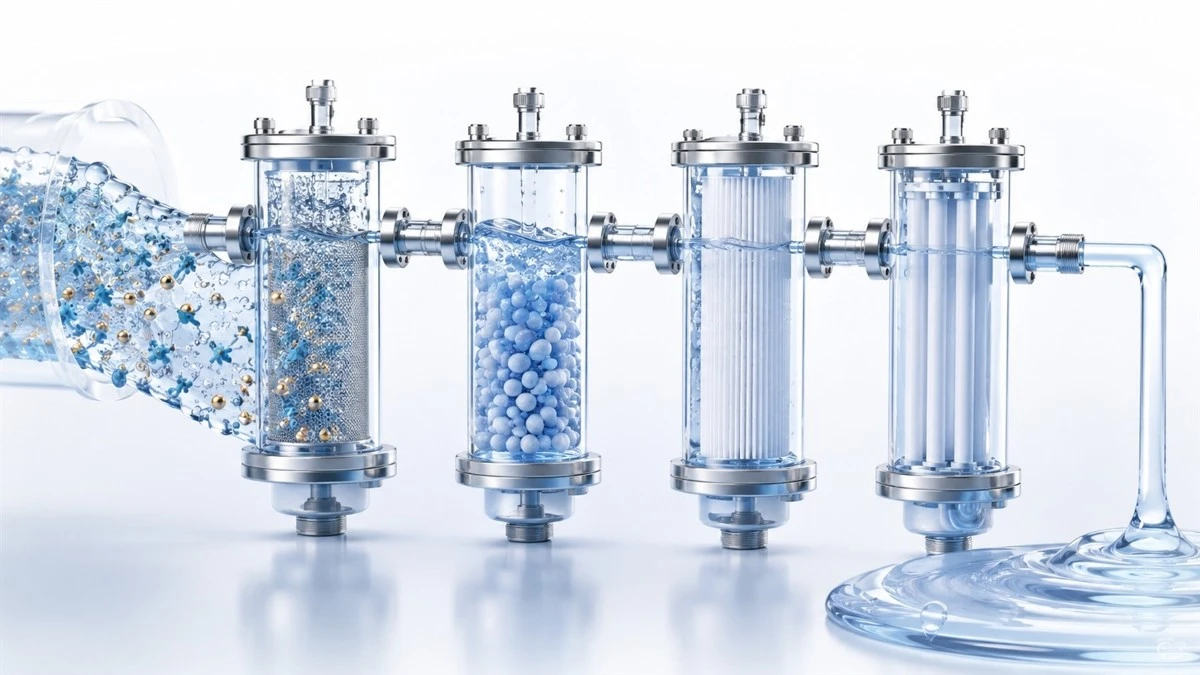
BDDE bonded firmly inside the HA mesh poses no health risk after injection. The only safety hazard comes from unreacted free BDDE left in finished gel-this residual cross-linker may trigger redness, swelling or mild hypersensitivity if concentration exceeds regulatory limits. Global medical authorities set a universal safe cap: residual BDDE must stay below 2 ppm per mL of HA gel, with premium China hyaluronic acid dermal filler factory tightening internal standards to under 0.5 ppm via multi-stage HA purification. Complete purification technology for BDDE-cross-linked HA follows fixed steps after cross-link reaction:
Buffer washing cycles to flush loose unreacted BDDE fragments out of hydrogel
Ion exchange filtration to separate residual cross-linker, microbial waste and protein impurities
Long-duration dialysis to further reduce trace BDDE, paired with strict residual protein control
Chromatography detection to quantify leftover BDDE before stability testing of HA Unprofessional manufacturers often skip 1–2 purification stages to cut production costs. Their fillers carry high residual BDDE, leading to frequent adverse feedback from clinic customers-this is a key red flag for dermal filler wholesale buyers to identify unreliable suppliers.
Why Residual BDDE Testing Matters
Although BDDE becomes chemically bonded during cross-linking, trace amounts of unreacted BDDE may remain if purification is insufficient. Therefore, reputable manufacturers perform quantitative residual BDDE testing using validated analytical methods before product release.
4. BDDE vs Non-Cross-Linked HA: Where BDDE Is Required
To clarify BDDE's applicable scenarios, we separate HA products into two clear categories for easy reference:
Products with BDDE cross-linking
All injectable volumizing items for hyaluronic acid filler injection: nasolabial fold fillers, cheek lifting gel, lip shaping syringes, large-volume body filler and breast filler. These demand BDDE to lock shape and extend treatment duration. Every batch undergoes residual BDDE inspection and full stability testing of HA before bulk shipment for dermal filler wholesale.
Products without BDDE (non-cross-linked hyaluronic acid)
Topical skincare serums, mesotherapy skin boosters, post-laser recovery solutions. No cross-linking reaction takes place here, so BDDE is never added. These lightweight formulas focus on instant hydration rather than volume restoration. Many clinic owners combine both variants in treatment plans: non-cross-linked HA boosts overall skin texture, while BDDE-cross-linked hyaluronic acid dermal filler fixes deep wrinkles and lost volume.
5. Factory QC Standards for BDDE-Cross-Linked HA Fillers

Reputable hyaluronic acid supplier integrates BDDE monitoring into every quality control link of production, matching international ISO and GMP specifications.
Precise BDDE dosing control: Technicians calibrate cross-linker volume according to target gel density, avoiding under or over cross-linking
Residual BDDE quantitative testing: Gas chromatography verifies trace cross-linker levels for each batch, printed clearly on official COA documents
Dual impurity control: Purification removes both free BDDE and residual protein to lower irritation risks
Accelerated stability testing of HA: Gel samples are stored under high temperature to observe texture breakdown and BDDE re-leaching over time For bulk importers running dermal filler wholesale, always request full BDDE residual test reports from your China hyaluronic acid dermal filler factory before placing large orders. Reputable manufacturers will provide complete lab records without extra fees.
Typical COA Items Include
- Residual BDDE
- Residual Protein
- Endotoxin
- Sterility
- pH
- Viscosity
- Appearance
6. Key Buying Tips for Wholesale Distributors & Clinic Owners
When sourcing BDDE-cross-linked hyaluronic acid dermal filler, keep these practical standards in mind to avoid low-quality stock:
Confirm the factory's HA purification workflow: Multi-cycle washing and dialysis are non-negotiable to control residual BDDE
Match cross-link density (BDDE dosage) to your core product line: Soft low-cross gel for facial fine areas, high-cohesion cross-linked gel for body filler wholesale
Inspect COA files for residual BDDE data, residual protein test values and stability testing of HA results
Ask for free sample batches to test injection smoothness and gel consistency before mass purchase
Prioritize hyaluronic acid supplier that offers customizable cross-link formulas for private label OEM & ODM
7. Regulatory Standards for Residual BDDE
Different countries regulate residual BDDE through medical device standards and manufacturer quality systems. Reputable suppliers validate residual BDDE using chromatographic methods and maintain batch records under GMP and ISO 13485 quality management systems.
FAQ
Is BDDE safe in hyaluronic acid fillers?
Yes. After cross-linking and proper purification, only trace amounts of residual BDDE remain. Medical-grade manufacturers verify residual BDDE through laboratory testing before product release.
Why is BDDE used instead of other cross-linkers?
BDDE provides excellent gel stability, low toxicity and strong biocompatibility, making it the most widely used cross-linking agent for injectable HA fillers.
Does non-cross-linked hyaluronic acid contain BDDE?
No. Non-cross-linked HA is produced without chemical cross-linking and therefore contains no BDDE.
How do manufacturers remove residual BDDE?
Residual BDDE is reduced through repeated washing, dialysis, ion exchange purification and laboratory verification before packaging.
What documents should wholesale buyers request?
Ask suppliers for COA reports, residual BDDE test results, residual protein data, sterility reports and stability testing records.
Looking for a Reliable Hyaluronic Acid Supplier?
Whether you're sourcing injectable hyaluronic acid dermal filler for clinics or expanding your dermal filler wholesale business, partnering with an experienced manufacturer is essential.
At Labofu, we manufacture medical-grade cross-linked hyaluronic acid fillers under GMP and ISO 13485 quality systems. Every batch undergoes residual BDDE testing, HA purification, protein reduction and stability verification to ensure consistent quality for global OEM and private label partners.
Contact our team to request technical documents, COA samples or OEM solutions.
Conclusion
BDDE acts as the foundational cross-linker that transforms plain hyaluronic acid into usable long-lasting injectable filler. Its bonding mechanism creates the elastic 3D gel structure required for hyaluronic acid filler injection, while thorough HA purification restricts residual BDDE to safe, regulatory-compliant levels. Whether you operate a local aesthetic clinic or manage global dermal filler wholesale, choosing a trusted China hyaluronic acid dermal filler factory with mature purification technology and rigorous BDDE quality checks directly reduces post-treatment complaints and stabilizes your market reputation. Always verify complete residual BDDE test data and stability testing records when cooperating with any hyaluronic acid supplier for bulk filler orders.


